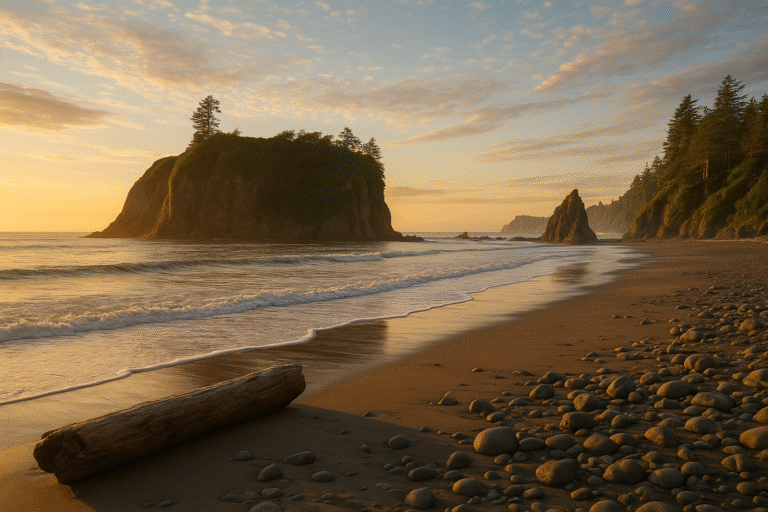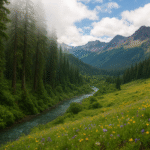
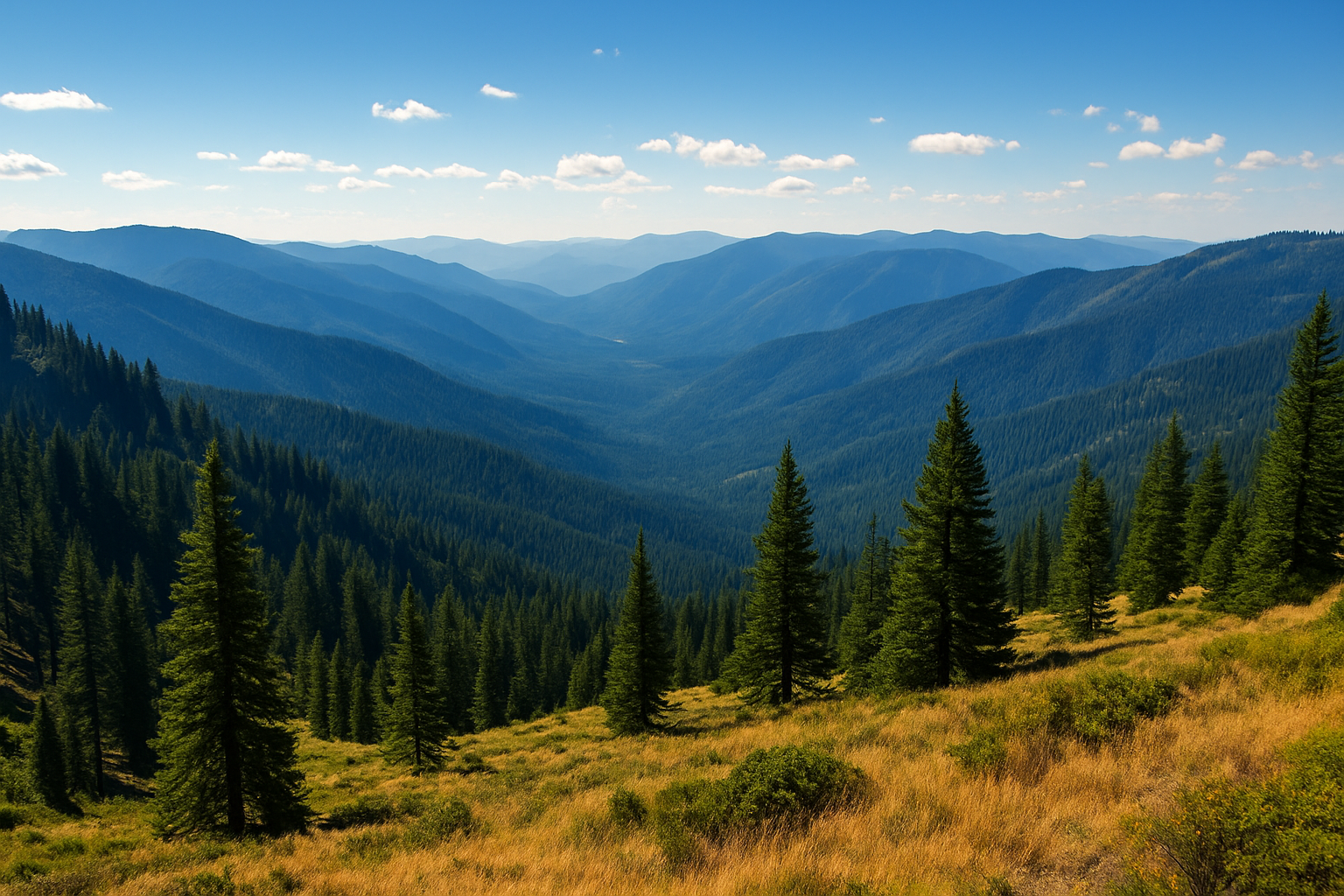
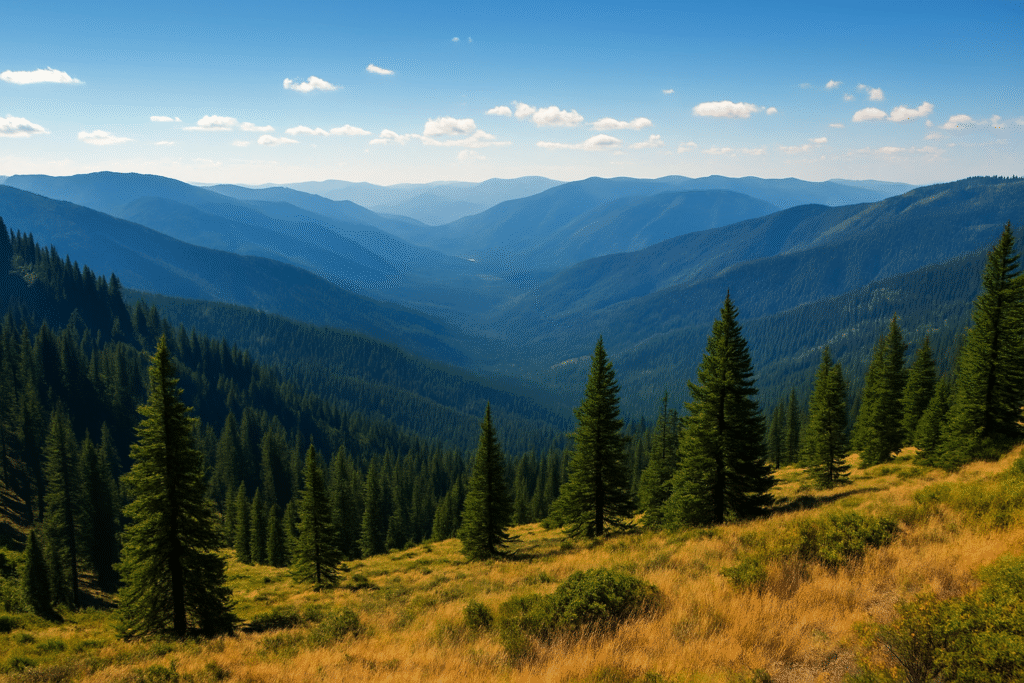
The Blue Mountains are one of the most breathtaking natural landscapes in the Pacific Northwest, stretching along the border of Washington and Oregon. Known for their rugged ridgelines, sweeping valleys, and rich high-desert forests, they offer a mix of solitude, wildlife, and wide-open vistas. Whether you’re hiking deep into the wilderness or just taking a scenic drive, the Blue Mountains deliver a sense of quiet, wild freedom.
Why Visit the Blue Mountains
Expansive Mountain Scenery
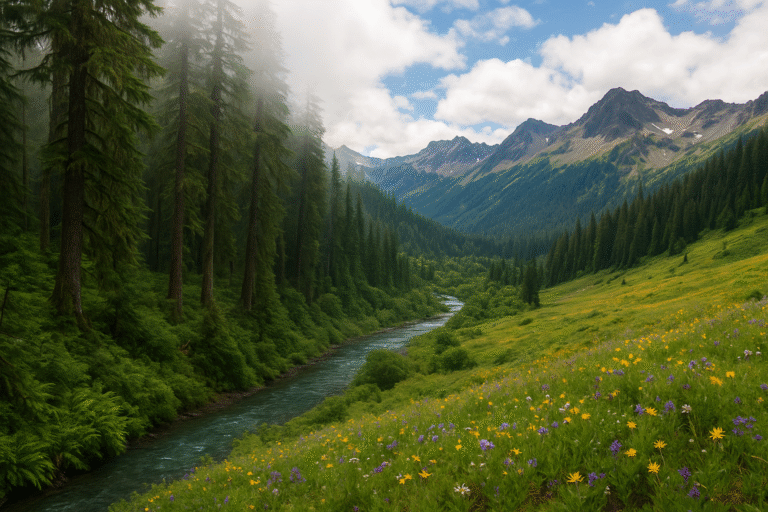
Rolling peaks blend with pine forest, grasslands, and open ridges. On clear days, visibility stretches for miles, offering layered mountain silhouettes and vibrant sunsets.
Abundant Wildlife
Elk herds, mule deer, black bears, hawks, and mountain grouse are common throughout the region. Birdwatchers and photographers will find endless opportunities to capture wildlife in natural settings.
Quiet, Undeveloped Wilderness
Compared to more famous mountain ranges, the Blue Mountains feel remote and peaceful. Trails are less crowded, vistas feel untouched, and visitors can soak in PNW wilderness without distractions.
What to Do in the Blue Mountains
Hiking & Backpacking
Miles of rugged trails lead through forests, ridges, and alpine meadows. Popular routes include Wenaha River Trail, Mount Misery Trail, and the high-country loops near Tollgate.
Scenic Drives
The Blue Mountain Scenic Byway is a standout route, showcasing sweeping ridges, wide valleys, and classic forest viewpoints.
Camping
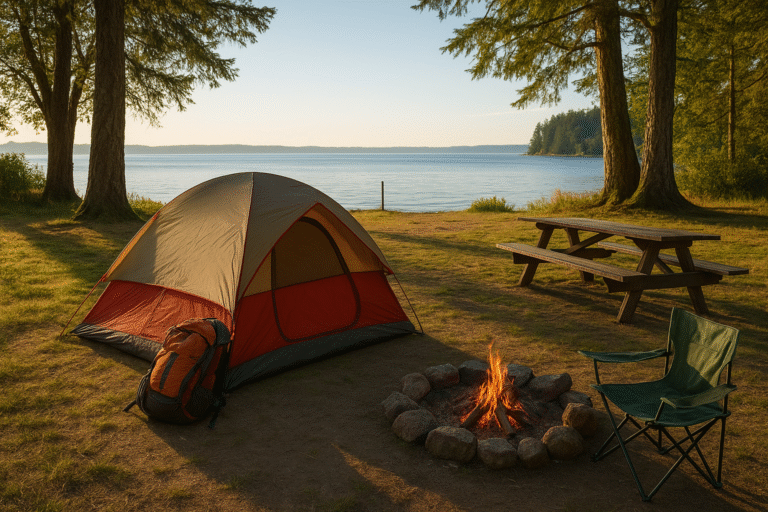
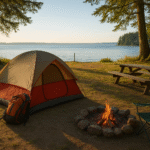
Dispersed sites and forest campgrounds offer immersive mountain stays. High-elevation camping provides cool nights, star-filled skies, and wildlife sightings.
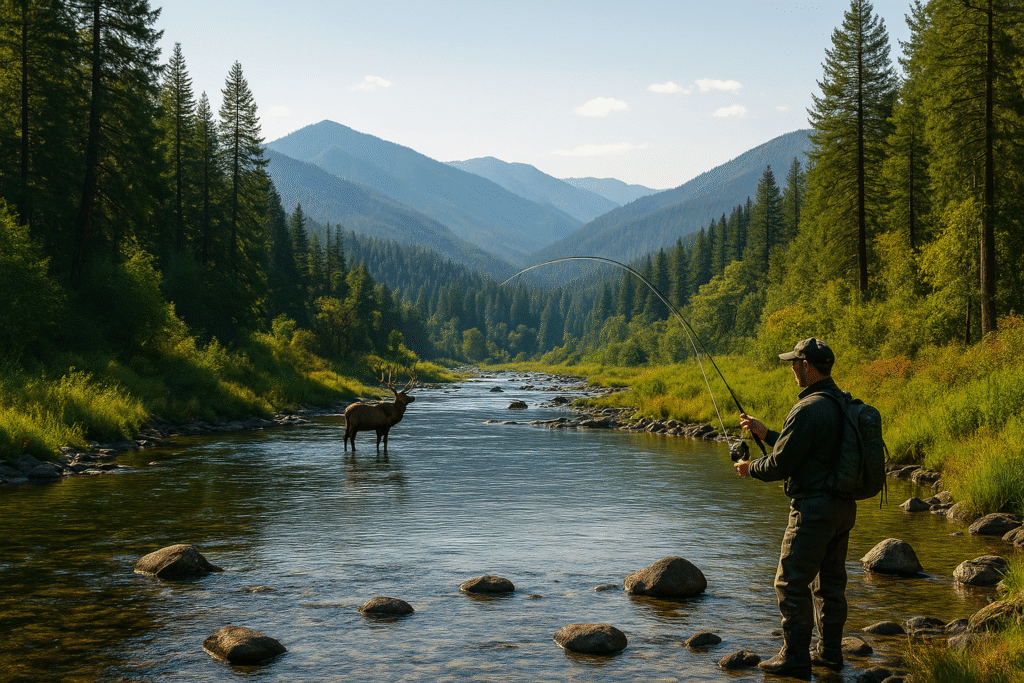
Fishing
(Check local regulations)
High lakes: Many high lakes are open to fishing year-round, with peak season typically from late June to July after they have thawed.
Streams and rivers: Rivers like the Walla Walla and other smaller streams are known for steelhead and trout fishing.
Lowland lakes: Lakes like Blue Lake (in Columbia County) are stocked with rainbow trout and are popular for family-friendly fishing.
Gear Checklist
Essentials
- Backpack
- Map or offline GPS
- Sturdy waterproof hiking boots
- Weather layers (winds can pick up fast)
- Sun protection
- Water + filtration system
- Snacks / trail meals
- Emergency blanket
Optional Enhancements
- Trekking poles
- Binoculars for wildlife
- Camera or drone (check regulations)
- Compact first-aid kit
- Camp stove & lightweight cookware
- Fishing gear
- Applicable license
- Tent
- Sleeping bag